İnci Patisserie
The Museum of Innocenceİnci Patisserie, the Beyoğlu pastry shop famous for its profiteroles, becomes the setting where Kemal and Füsun meet after years of separation and renewed longing. Their April 9, 1984 rendezvous turns an anticipated reunion into a serious negotiation: Füsun acknowledges that she shares Kemal’s feelings, but insists that their future depend on candor, respect for her choices, and marriage before sexual intimacy. The shop’s ordinary details—a table at the back, an old ice-cream machine, and a framed photograph of Atatürk—become the remembered setting for a decisive change in their relationship.
Setting and arrangement
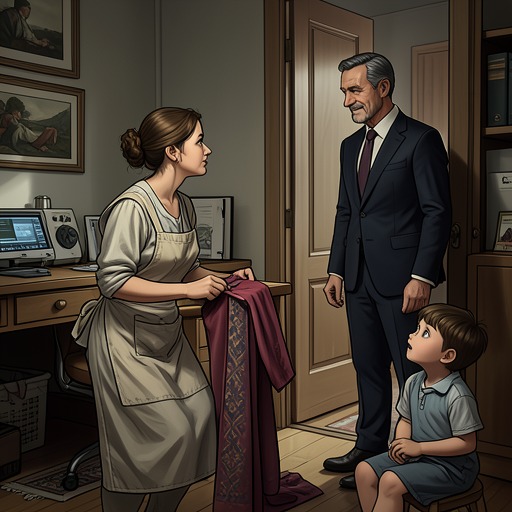
The meeting takes place amid Kemal’s return to the Keskin family’s life after years of regular dinners. Following Tarık Bey’s death, the familiar routines at home have become difficult to sustain, and neighborhood gossip makes the circumstances more uneasy. Aunt Nesibe phones Kemal at Satsat to ask him not to visit for a while. She cannot explain the gossip over the phone, but tells him she has good news. Two days later she comes to his office in person, where she explains that Füsun wants a serious conversation with him. The change of setting matters: rather than speaking in the family home, where old routines and unspoken tensions have shaped their relationship, they will meet privately in Beyoğlu.
Aunt Nesibe and Kemal arrange to meet at İnci Patisserie at two in the afternoon, three days later. On Monday, April 9, Kemal arrives in the district early, excited by the appointment and by memories of Beyoğlu. He passes through its shops and walks as far as Tünel, unable to settle on a present for Füsun. Half an hour before the agreed time, he sees her outside the Mısırlı Apartments, looking into a shop window. She wears a bright, white dress with large polka dots and sunglasses; Kemal notices that she is also wearing the pearl earrings that had belonged to his father. They walk together in silence, looking into shop windows, before entering the patisserie at the appointed hour.
The conversation
An empty table at the back seems to match Kemal’s hopes for the encounter. They order the profiteroles for which the shop is known, but the meal is not an easy return to their former intimacy. Füsun explains that the sunglasses are not an attempt to look attractive: thoughts of her father bring her to tears. She also clarifies that she is not jealous of Papatya. Instead, she admires Papatya’s determination to pursue an ambition and succeed. Füsun regrets not having fought for what she wanted in life, including her own hope of becoming a successful actress, and takes responsibility for that failure.
Kemal tells her that he has spent nine years pressing his case, but recognizes that persistence is not always the best way to obtain what someone wants. Füsun responds that he has already spoken with her mother and that now the two of them must speak directly. Her measured manner contrasts with Kemal’s excitement: she says she feels the same way about him, while her tense gestures suggest how much effort it takes to maintain control. He again declares his love and hopes for their future, but the meeting’s terms will be set by more than his longing.
Füsun lays out what she requires. Kemal must not conceal anything from her, must share his secrets, and must answer truthfully when she asks about his past. As he listens, the setting fixes itself in his memory: her stern expression, the patisserie’s old ice-cream machine, and the photograph of Atatürk, whose frown recalls hers. They agree that their engagement should take place before a trip to Paris and be a small family affair. They speak respectfully of Feridun, rather than treating him as someone to erase from the history they share.
The question of sexual intimacy brings another boundary into focus. Füsun wants to wait until after marriage and tells Kemal not to try to force her. He accepts her condition and says he would prefer the marriage to be arranged. The exchange makes their reunion a conditional commitment rather than a simple restoration of the past: affection is acknowledged, but it must coexist with Füsun’s stated limits and her demand for the truth.
After the rendezvous
The conversation at İnci Patisserie initiates a different pattern of meetings. Kemal arranges for a lawyer to represent Füsun in the couple’s straightforward, mutually agreed divorce. Although he can no longer visit her at home in Çukurcuma, they meet every other day in Beyoğlu and go to the cinema. In the cool, dim theaters, they sit together at the back, hold hands, and watch films; during intervals, they exchange news in whispers without holding hands. The public meeting place thus marks a practical transition from the family home to a series of private dates in the city.
Narrative significance
The patisserie matters less as a recurring destination than as the concentrated setting of a turning point. The rendezvous brings Kemal’s long wait into contact with Füsun’s independent account of her disappointments, desires, and conditions. Its commonplace features, carefully recalled alongside her expression and the earrings, show how an everyday place can carry the weight of a life-changing conversation. The sequence also shifts the relationship from longing and indirect communication toward explicit terms: a small engagement, truthful answers, and delayed intimacy. What begins at the table is not a completed reconciliation, but a plan whose possibility depends on both of them speaking openly.